Hey upper elementary teachers! Have you ever noticed that some of your students fly through their day without stopping to appreciate the people, opportunities, or small joys around them? Many kids take kindness for granted or feel stuck focusing only on what’s going wrong. That’s where teaching gratitude to students can make a real difference—not just a quick “say thank you,” but a deeper understanding of what gratitude actually looks like in different areas of life.
When we show students the types of gratitude, we give them a powerful framework (or lens) for recognizing and appreciating the good that’s all around them. And when students learn how to spot everyday gratitude, they become more resilient, empathetic, and joyful learners.
WHY TEACH GRATITUDE IN THE CLASSROOM
Gratitude is more than just good manners. It’s a mindset—and one that research shows has big benefits for kids. Practicing gratitude helps students manage stress, improve relationships, and build resilience when things don’t go their way. In fact, gratitude works like a muscle: the more we practice it, the stronger it gets.
For upper elementary students especially, learning how to practice gratitude in concrete ways can shift classroom dynamics. Instead of focusing on what’s missing or what went wrong, they start noticing positive moments and expressing appreciation. This builds community and promotes a calmer, more connected learning environment.
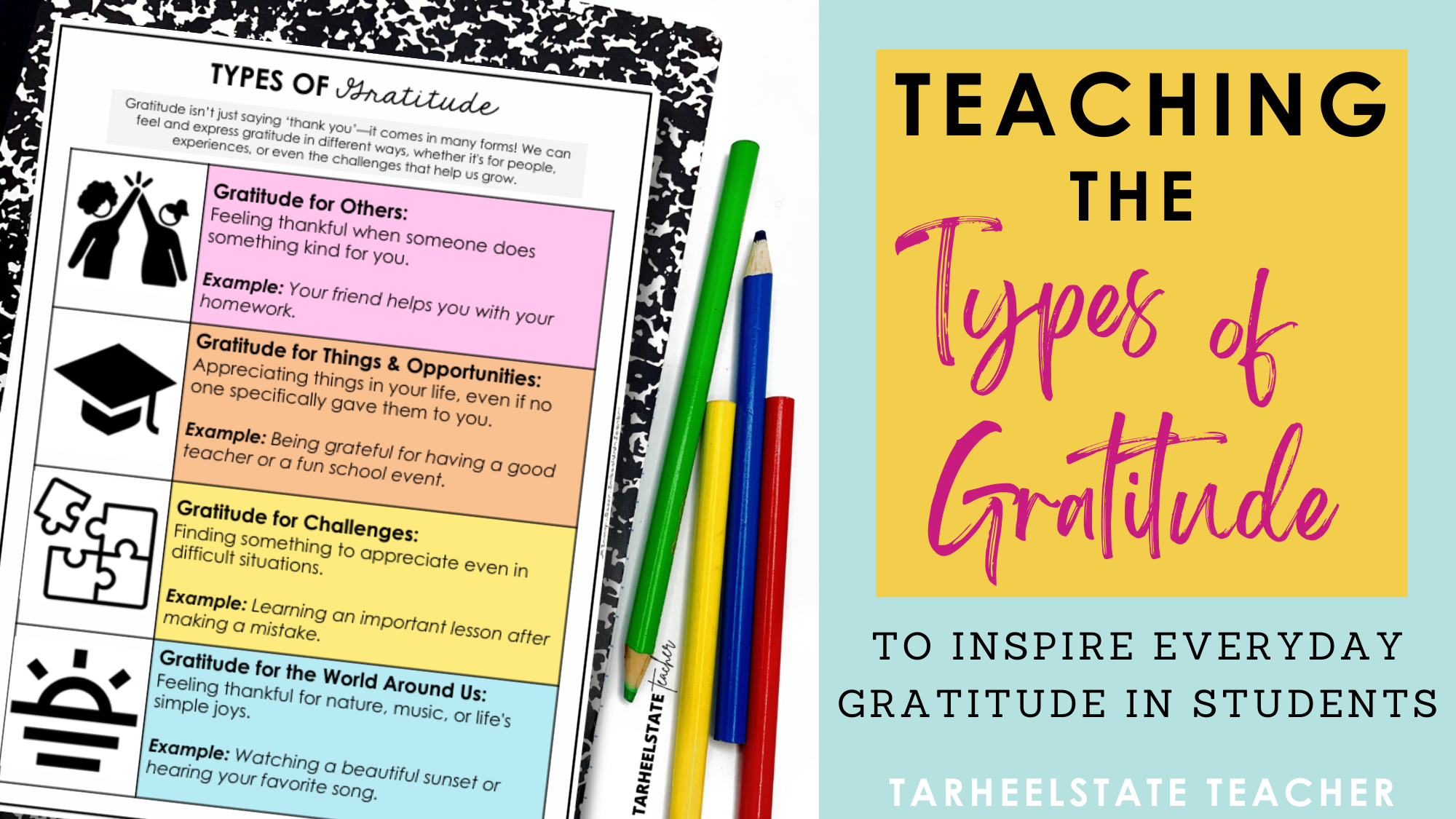
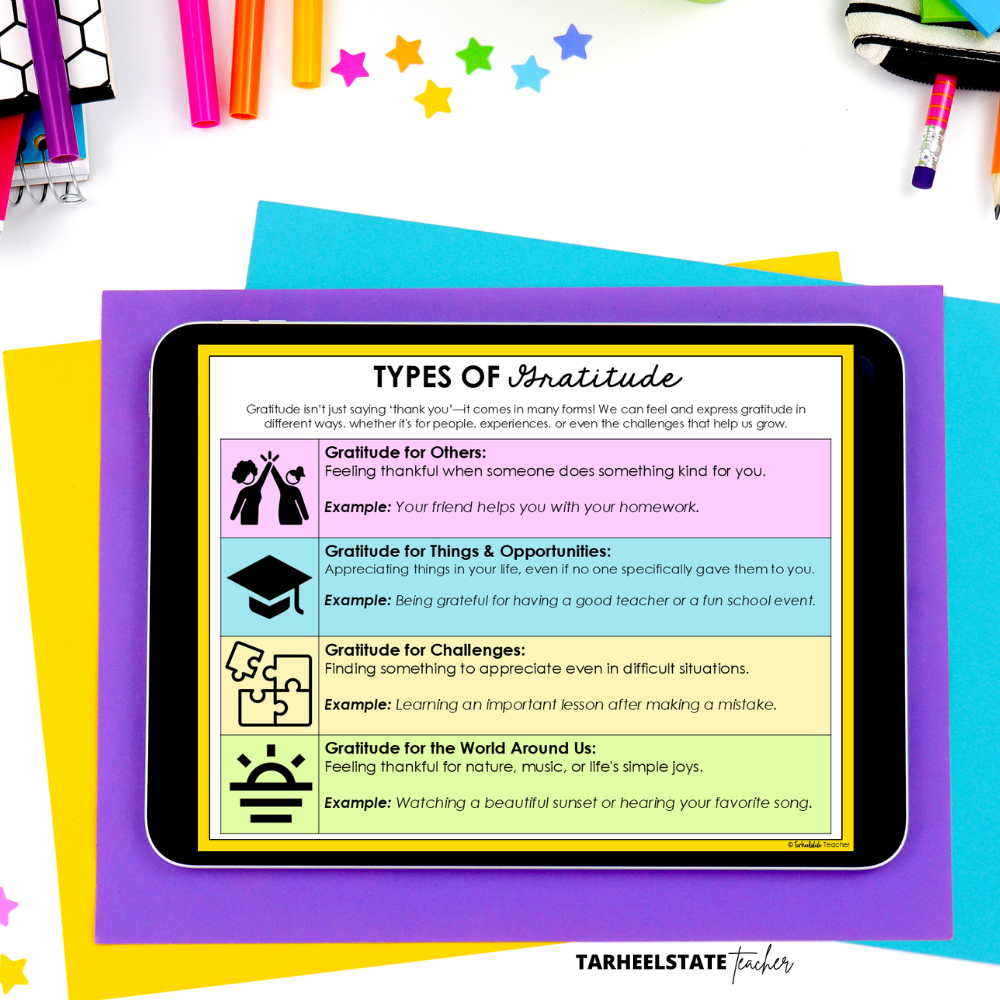
Though, there’s an important caveat I stand by: telling students to “be grateful” isn’t enough. They need explicit teaching, examples, and practice. That’s why I love teaching the four types of gratitude to break the concept of gratitude down into categories kids can clearly understand.
Read on to learn about how I teach students to show:
- Gratitude for Others
- Gratitude for Things and Opportunities
- Gratitude for the Challenges We Face
- Gratitude for the World Around Us
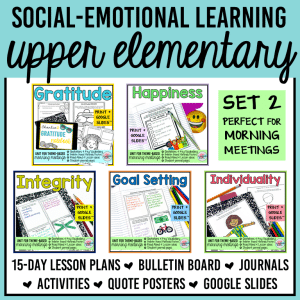
 You can do any of these suggested mindfulness activities for students with a reflection journal and materials you have around the classroom, but if you want some of the work done for you, you can check out my full Gratitude & Mindfulness SEL unit, complete with lesson plans that make it super easy to implement and enjoy!
THE FOUR TYPES OF GRATITUDE
GRATITUDE FOR OTHERS
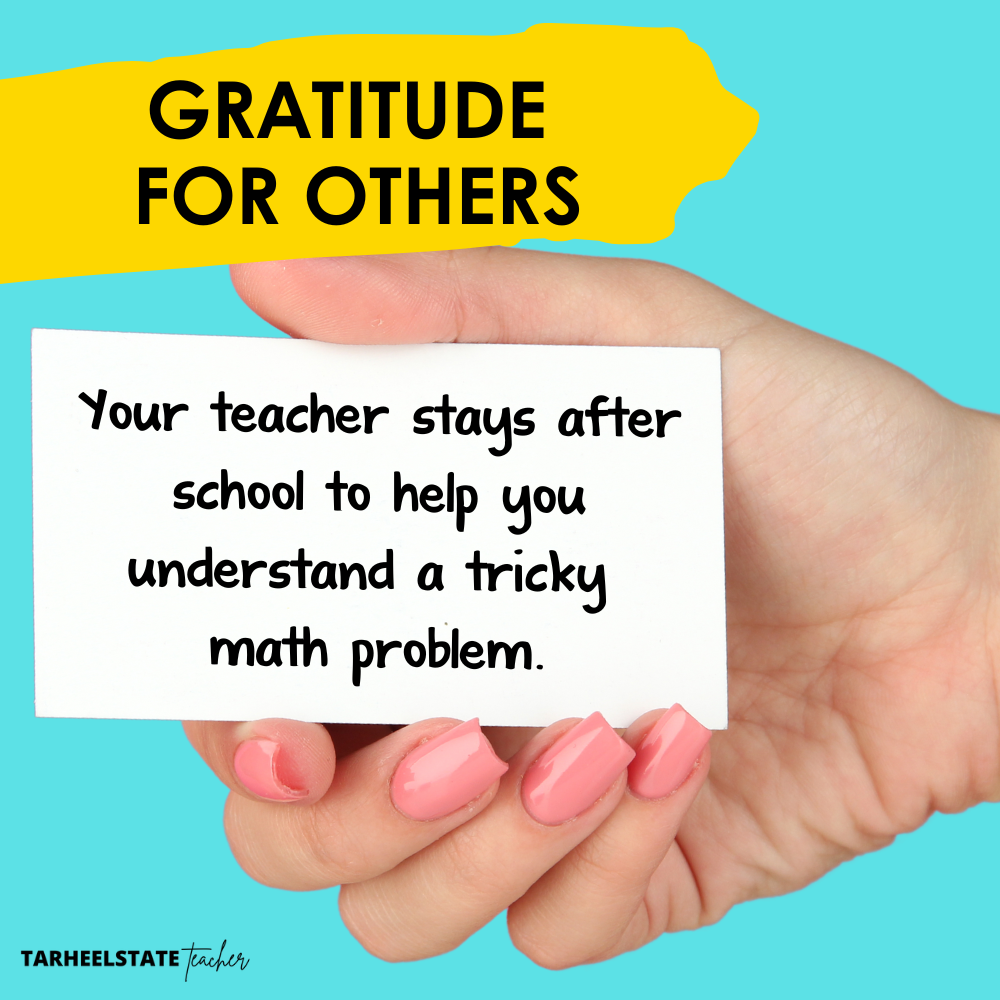
Gratitude for others is the type students recognize most easily. It’s the feeling of thankfulness when someone shows kindness or helps in some way. For upper elementary kids, this could be a friend sharing supplies, a classmate inviting them into a game, or a teacher giving feedback on their work.
Daily gratitude examples in this category might include writing a thank-you note to a peer, noticing when someone holds the door open, or remembering how good it felt when a sibling encouraged them. These little moments strengthen relationships and remind students that kindness goes both ways.
🌟 In my SEL Gratitude Unit, I incorporate a read-aloud called The Quiltmaker’s Gift by Jeff Brumbeau. After reading, we pause to discuss:
How would you describe the king at the beginning of the story? At the end?
What lesson did the king learn?
How did the woman benefit from being kind to others?
(Want to know my other go-to books about gratitude for upper elementary read alouds? Click here!)
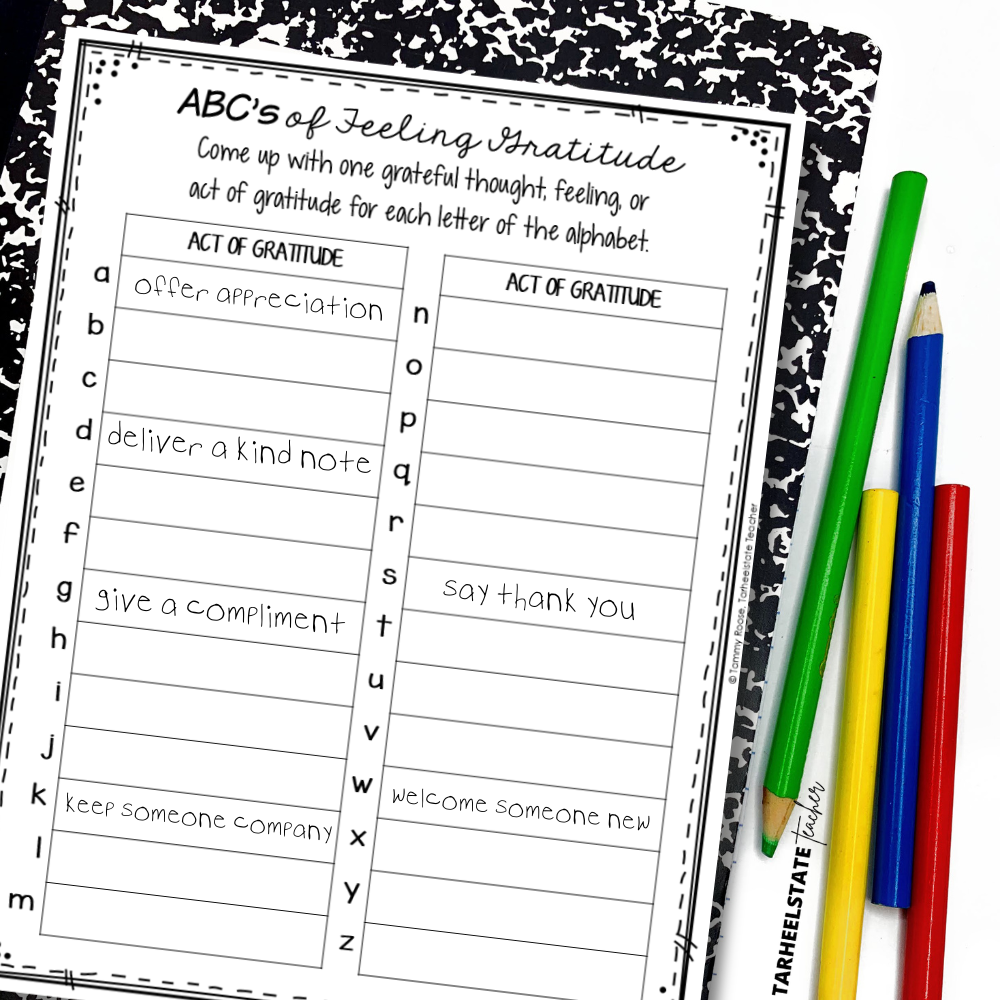
To extend the lesson, I ask students to brainstorm the ABCs of Expressing Gratitude. For each letter of the alphabet, they come up with thoughtful ways to show gratitude toward others. (A = offer appreciation, B = bring a smile, C = compliment a classmate, etc.) This activity gets students thinking creatively about practical ways to show gratitude for others in their daily lives.
GRATITUDE FOR THINGS & OPPORTUNITIES
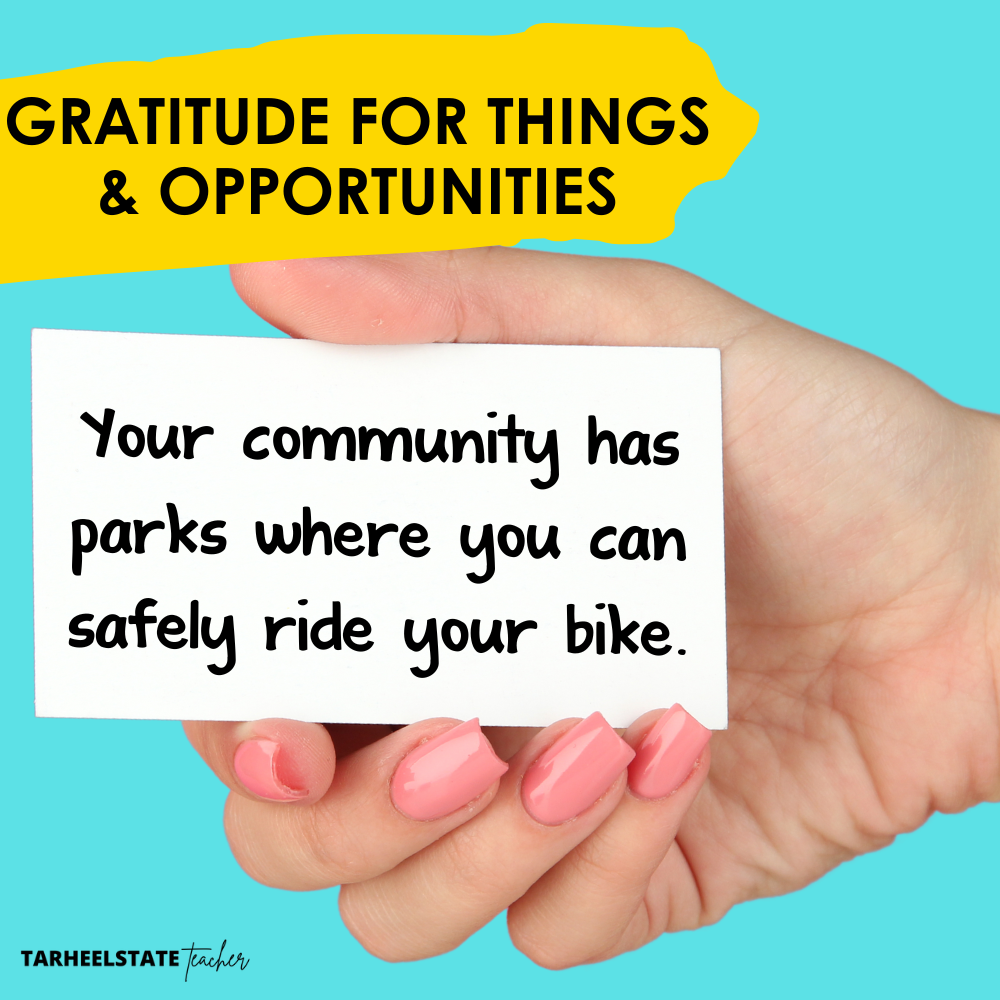
Sometimes gratitude is about appreciating what’s in our lives—even when no one directly gave it to us. Gratitude for things and opportunities is all about noticing the privileges, resources, and experiences that enrich our days.
Daily gratitude examples might include being thankful for a safe home, having a caring teacher, or looking forward to a fun school event. For students, this type of gratitude broadens their perspective, showing them how much they already have access to.
🌟 In my SEL Gratitude Unit, I incorporate an activity called Increasing Our Gratitude. I begin by showing students a short video, Gratitude is a Learning Strategy. Afterward, we discuss big questions:
How is gratitude like a muscle?
What happens when someone doesn’t have an attitude of gratitude?
What are some ways to practice gratitude?
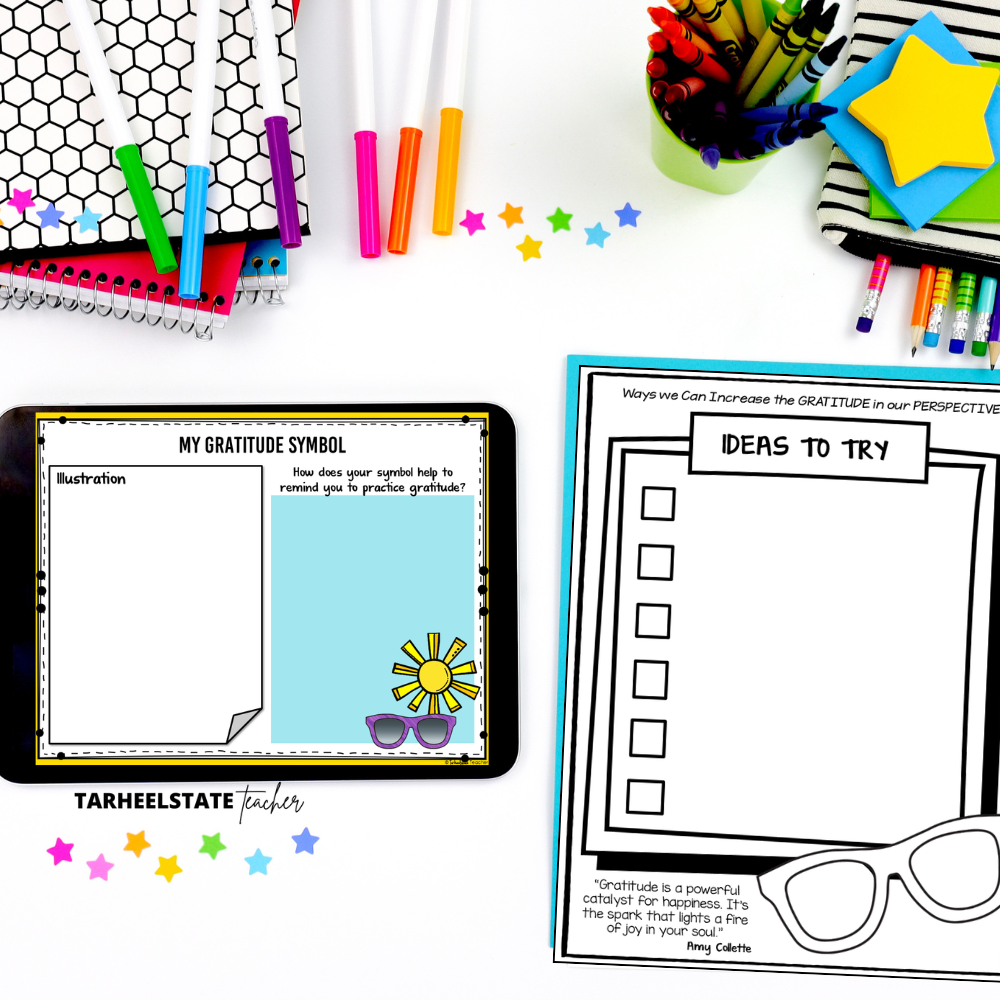
Together, we brainstorm a class chart of “Ways We Can Increase Gratitude in Our Perspective.” Then, students design their own gratitude symbol to serve as a personal reminder. They often decorate their gratitude journals with it or keep it tucked inside a folder. This simple activity helps students connect gratitude for things and opportunities to their daily routines and learning environment.
GRATITUDE FOR CHALLENGES
This type of gratitude can be tricky for kids (and adults, too!). Gratitude for challenges is about recognizing that even difficult experiences can teach us something valuable. Maybe a mistake helped them learn a new strategy, or a tough group project showed them the importance of patience.
Daily gratitude examples could include appreciating the chance to retry a math problem, learning how to manage a disagreement with a friend, or gaining confidence after practicing a difficult skill in sports. Students begin to see that challenges aren’t setbacks—they’re opportunities for growth.

🌟 A helpful way to practice this is through a Flipping Complaints to Gratitude activity. Start by asking students to think of everyday tasks that often lead to complaints—like homework, chores, or waiting their turn. As a class, brainstorm a list and then challenge students to “flip” each complaint into a moment of gratitude. For example, homework becomes a chance to grow smarter, and chores become a way to help their family. Give students a chance to work through examples on their own and then share how they re-framed their thinking.
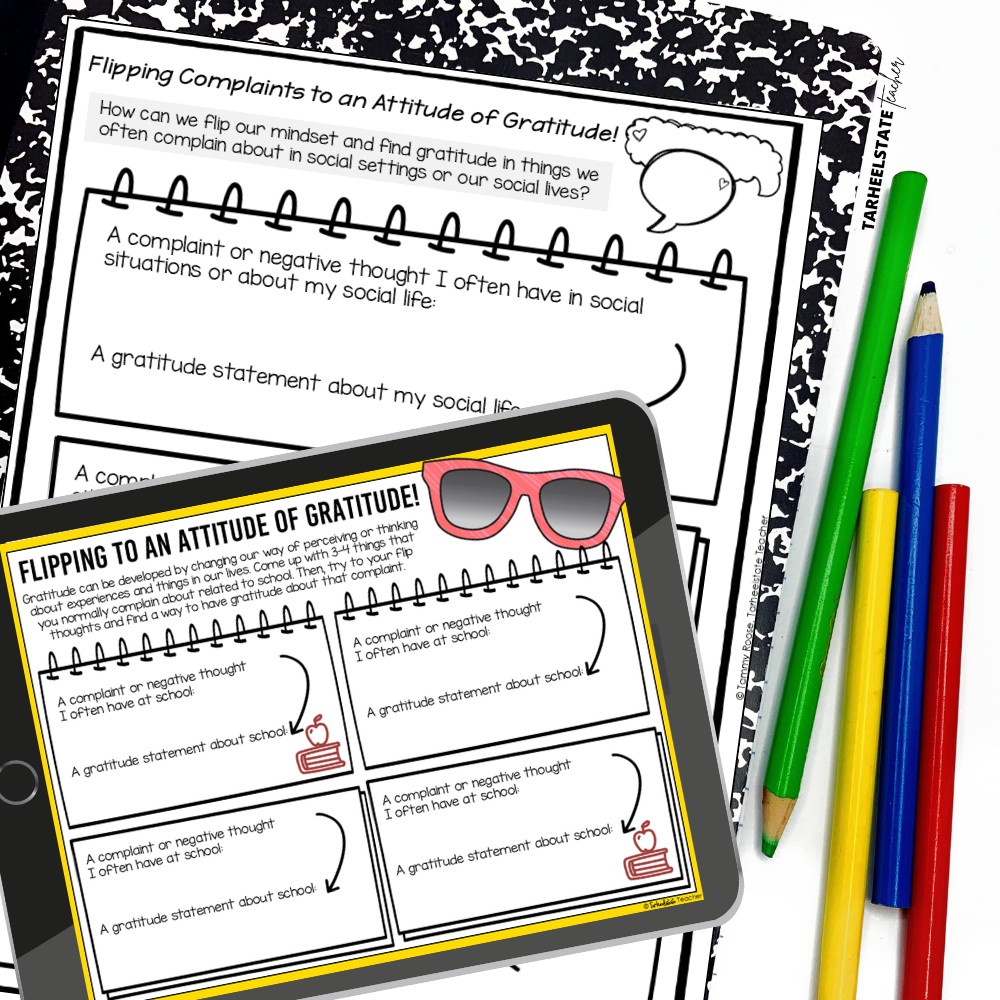
This practice empowers students to see that even small frustrations can hold hidden opportunities for appreciation. It also builds resilience by teaching them that gratitude isn’t just for easy or happy moments—it’s a mindset that helps them grow stronger.
GRATITUDE FOR THE WORLD AROUND US
Finally, gratitude for the world around us focuses on life’s simple joys. It’s about noticing beauty, wonder, and delight in everyday experiences. For students, this could be enjoying a beautiful sunset, listening to a favorite song, or even appreciating the smell of fresh popcorn at the movies.
Daily gratitude examples in this category are endless: the sound of laughter in the classroom, the feel of sunshine on the playground, or the excitement of reading a new book. Helping students slow down to notice these details fosters mindfulness and joy.

🌟 In my SEL Gratitude Unit, I give students a mindfulness-based activity connected to this type of gratitude. We take a few quiet minutes outside (or near a window) and challenge ourselves to use all five senses to notice something we can appreciate in the world around us. Students then share one observation with a partner.
This simple exercise builds awareness and shows kids that everyday gratitude doesn’t have to wait for big events—it’s all around them, right now.
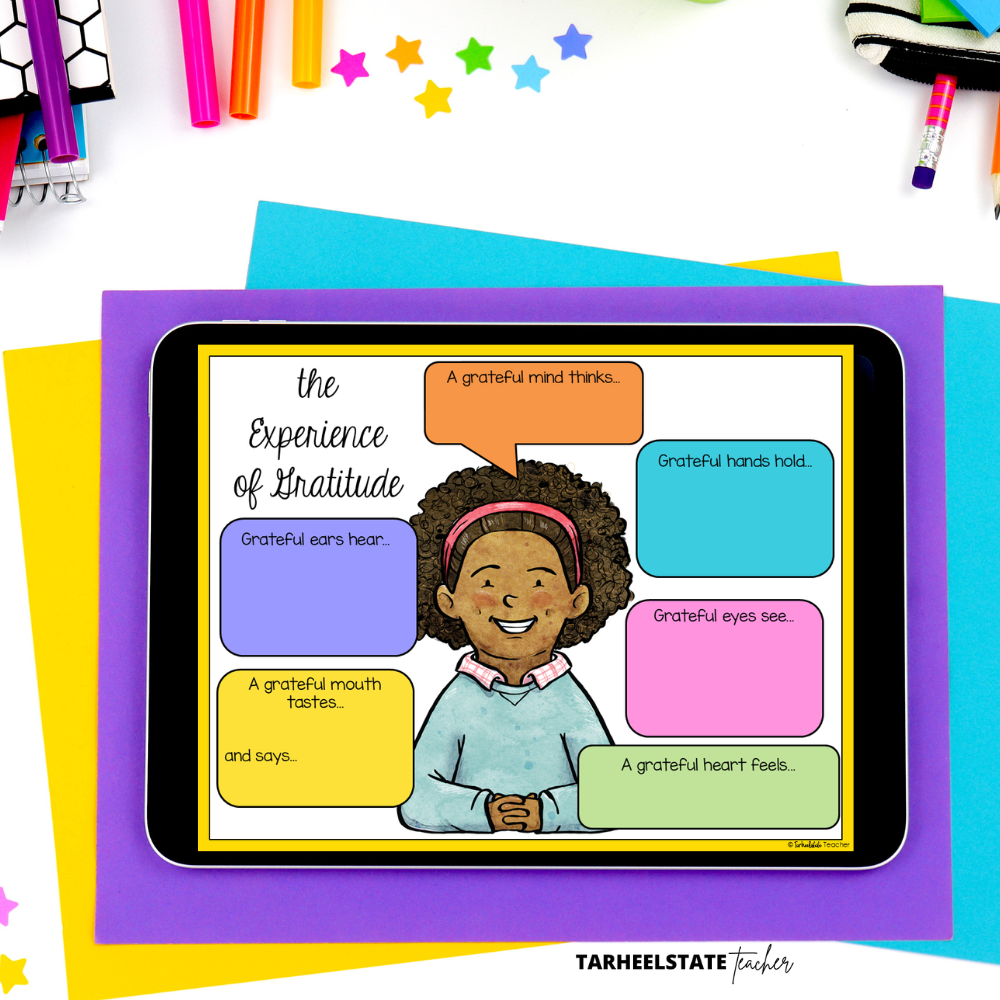
FROM CONCEPT TO PRACTICE
Once students understand the four types of gratitude, I like to bring it all together with a pair of activities from my SEL Gratitude Unit that reinforce and extend their learning.
First, I give students a set of gratitude scenarios for the Gratitude Sorting Game. Working with a partner or small group, they cut apart the scenarios and decide which of the four types of gratitude each one belongs to. Some scenarios are easy, but others spark great discussion.
As a class, we come back together to talk through a few tricky examples. I ask guiding questions like:
How would practicing gratitude in this situation improve someone’s life?
What might happen if someone never felt gratitude in this situation?
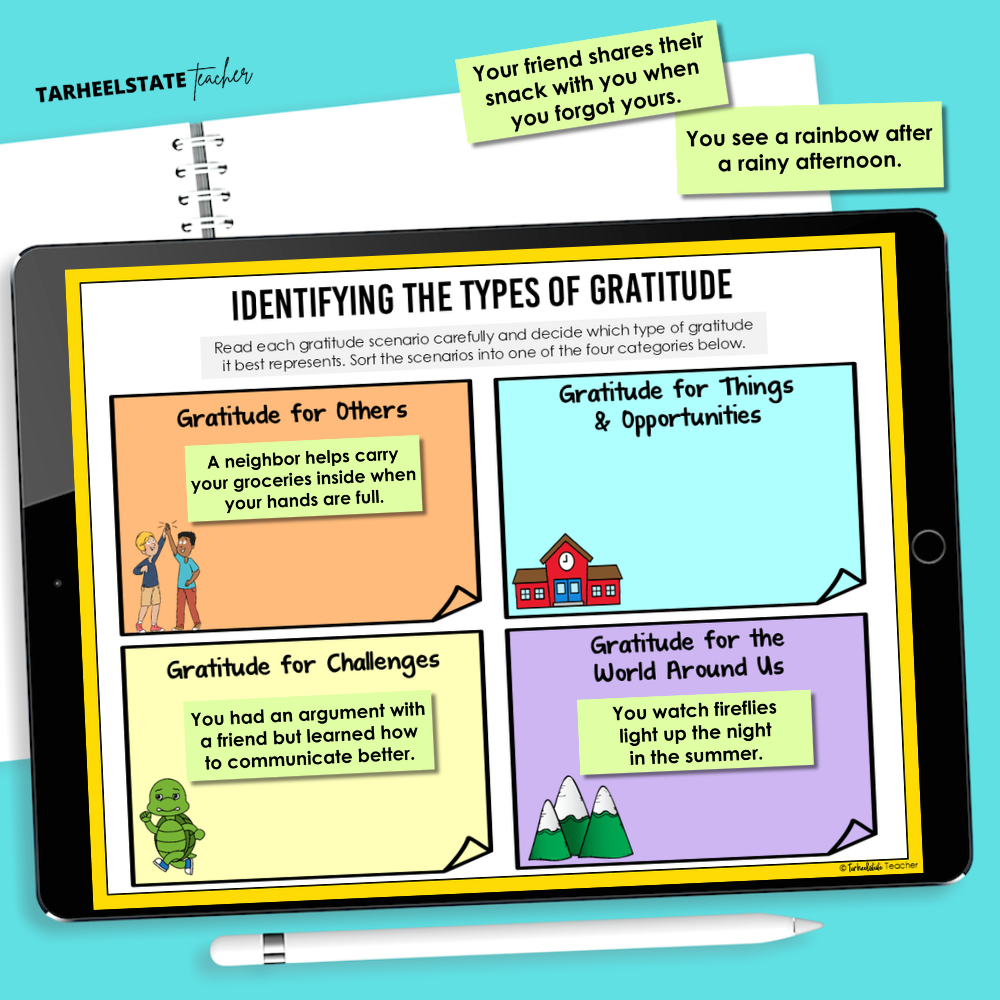
After the sorting activity, we move into Brainstorming Everyday Gratitude. In small groups, students generate their own examples of each type of gratitude, writing them down on chart paper or in their gratitude journals. To wrap up, I ask them to rate how often they show or feel each type of gratitude using a simple rating scale.
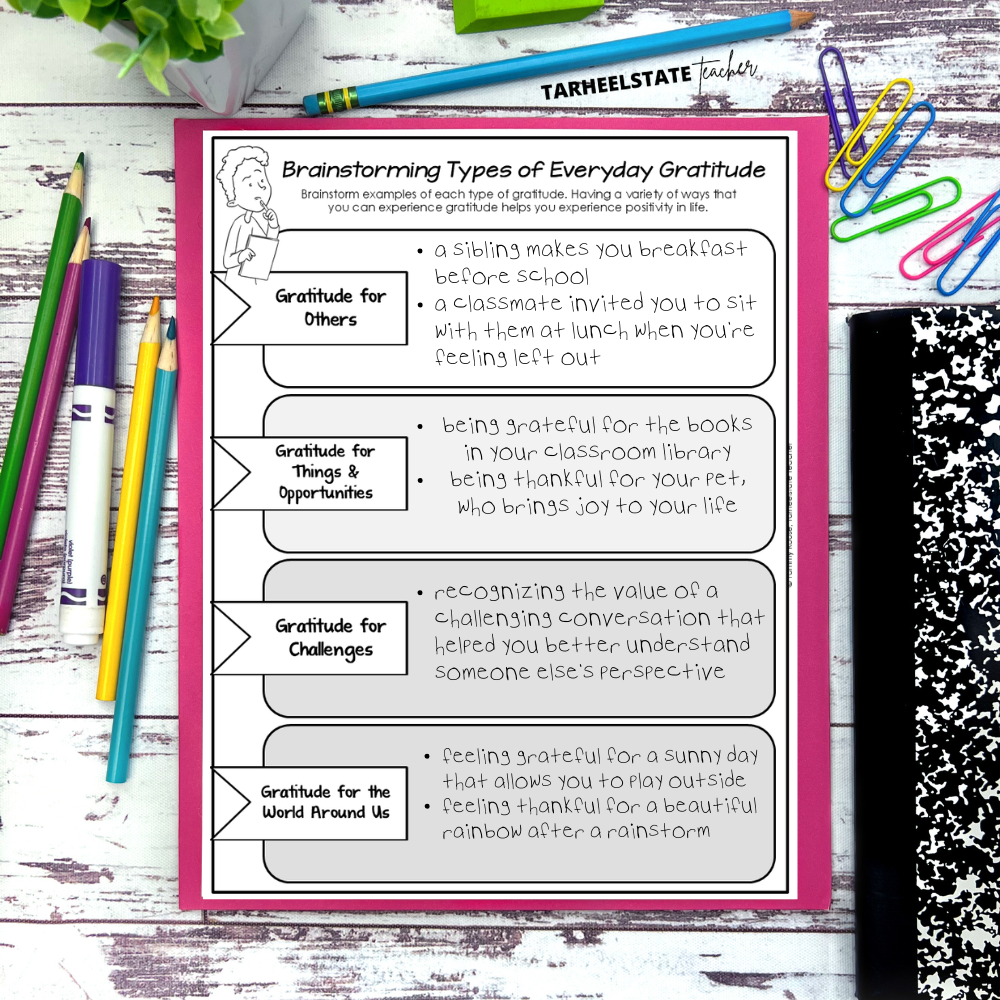
The sorting game helps students practice identifying the types of gratitude, while the brainstorming activity encourages them to connect those types to their own lives. Together, these activities strengthen students’ ability to recognize and practice everyday gratitude.
INSPIRING EVERYDAY GRATITUDE
When we teach the types of gratitude explicitly, students gain the tools they need to recognize and practice gratitude every day. Whether it’s gratitude for others, opportunities, challenges, or the world around them, each type opens a new lens for students to view their lives through.
By modeling and practicing gratitude in the classroom, we inspire everyday gratitude that students can carry with them beyond school walls. It’s one of the most powerful ways to build resilient, kind, and mindful learners.
If you’re looking for more ways to keep the mindful momentum going, here are some other resources you may be interested in:
- Why Is Mindfulness Important for Students? makes the case for weaving mindfulness into your classroom routine and offers practical ways to get started
- 16 Engaging Gratitude Activities—these ideas pair perfectly with mindfulness!
- Complete Gratitude SEL Unit for upper elementary—this unit includes all of the activities you see in this post, editable lesson plans, suggested read alouds, student notebooks, and a bulletin board to help your unit make a lasting impression!
NEED A DONE-FOR-YOU GRATITUDE AND MINDFULNESS UNIT?
The Gratitude SEL-Morning Meeting unit is a 20 day unit for upper elementary. It includes
 20 Days of Printable & Editable Lesson Plans — includes suggested read alouds, discussion questions, gratitude and mindfulness activities, extension ideas, and linked online resources
Student Journals & Activities — gratitude-related discussion prompts, self-reflection and goal setting exercises, and social emotional learning worksheets to deepen students’ understanding of gratitude and mindfulness, with activities like Flipping to an Attitude of Gratitude, Gratitude Scenarios Sort, The Experience of Gratitude, Clearing the Clouds Mindfulness Activity, and more!
Gratitude Bulletin Board that includes important vocabulary like gratitude, thankful, appreciation, mindfulness, and perspective and inspirational quotations for a visual reminder of your gratitude and mindfulness lessons
Google Slides — Teacher and student versions to implement this unit digitally or use as visual prompts and discussion starters on your interactive whiteboard